
The Short Happy Life of a Serengeti Lion
National Geographic — David Quammen & Michael Nichols
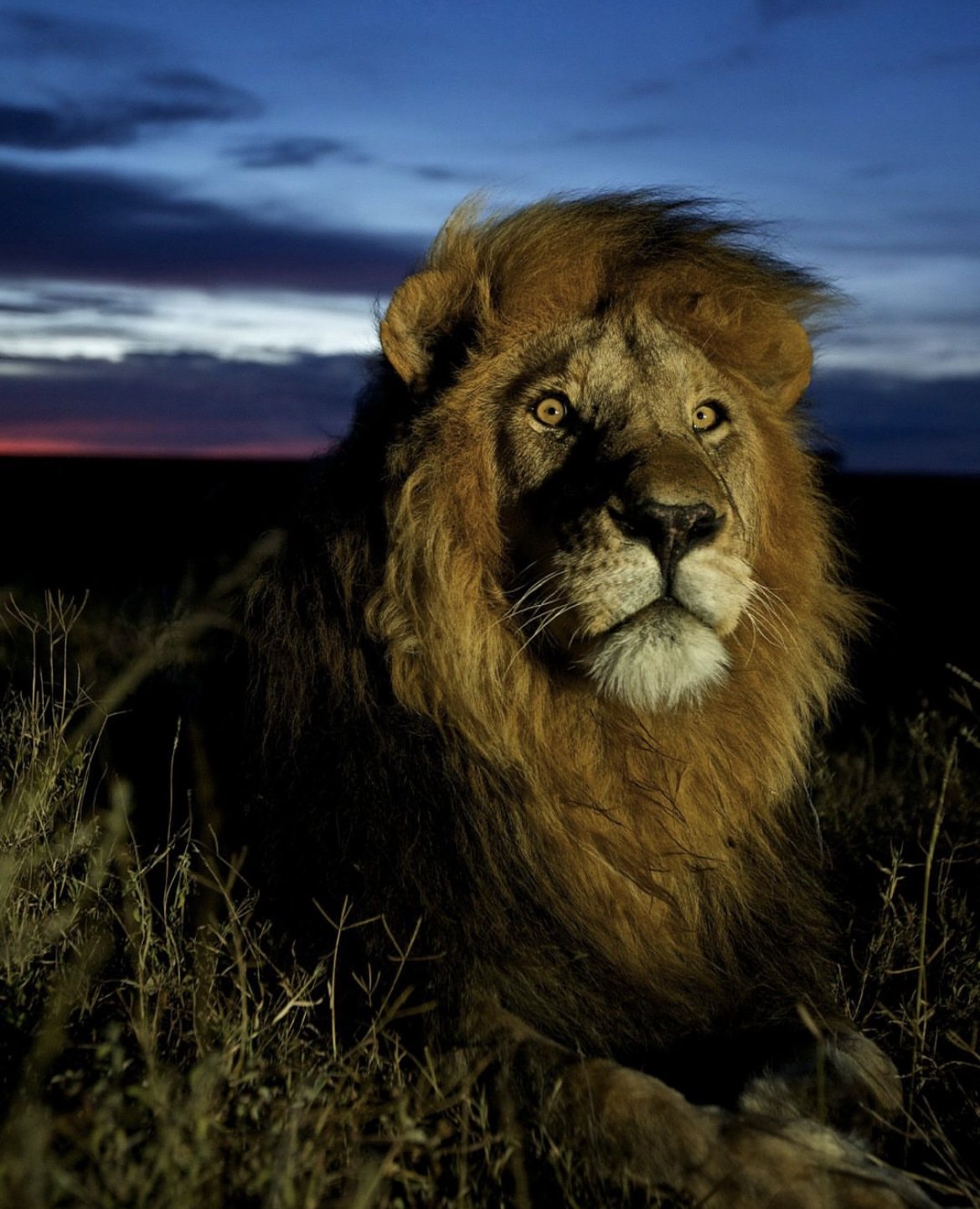
The story of C-Boy, Hildur, the Vumbi pride and the Killers, with Nichols’ famous infrared night photographs.

Deceased
Also known as Bob · The Lion Who Defied Death
c. 2004 – June 2018
Born in Serengeti National Park, Tanzania
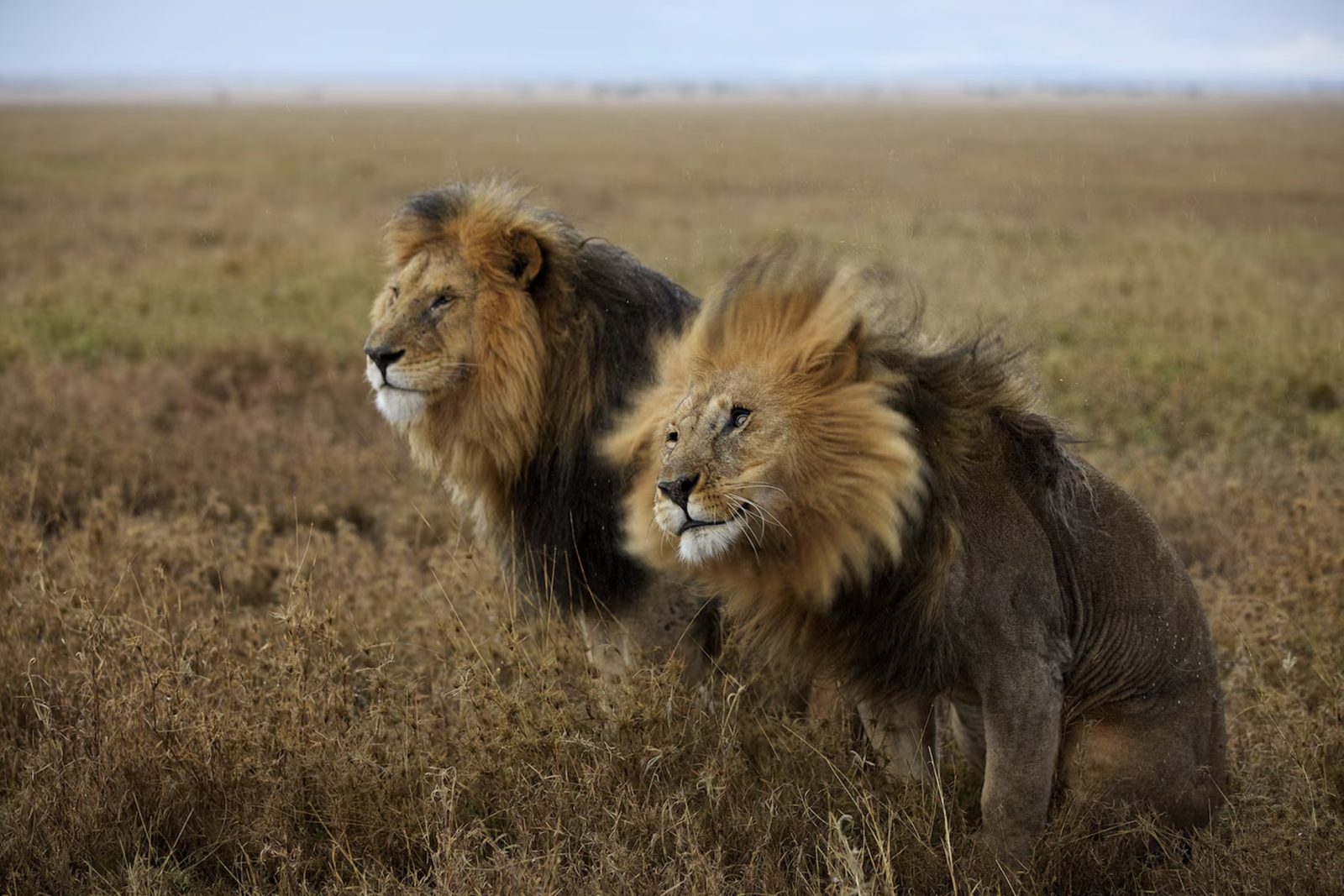
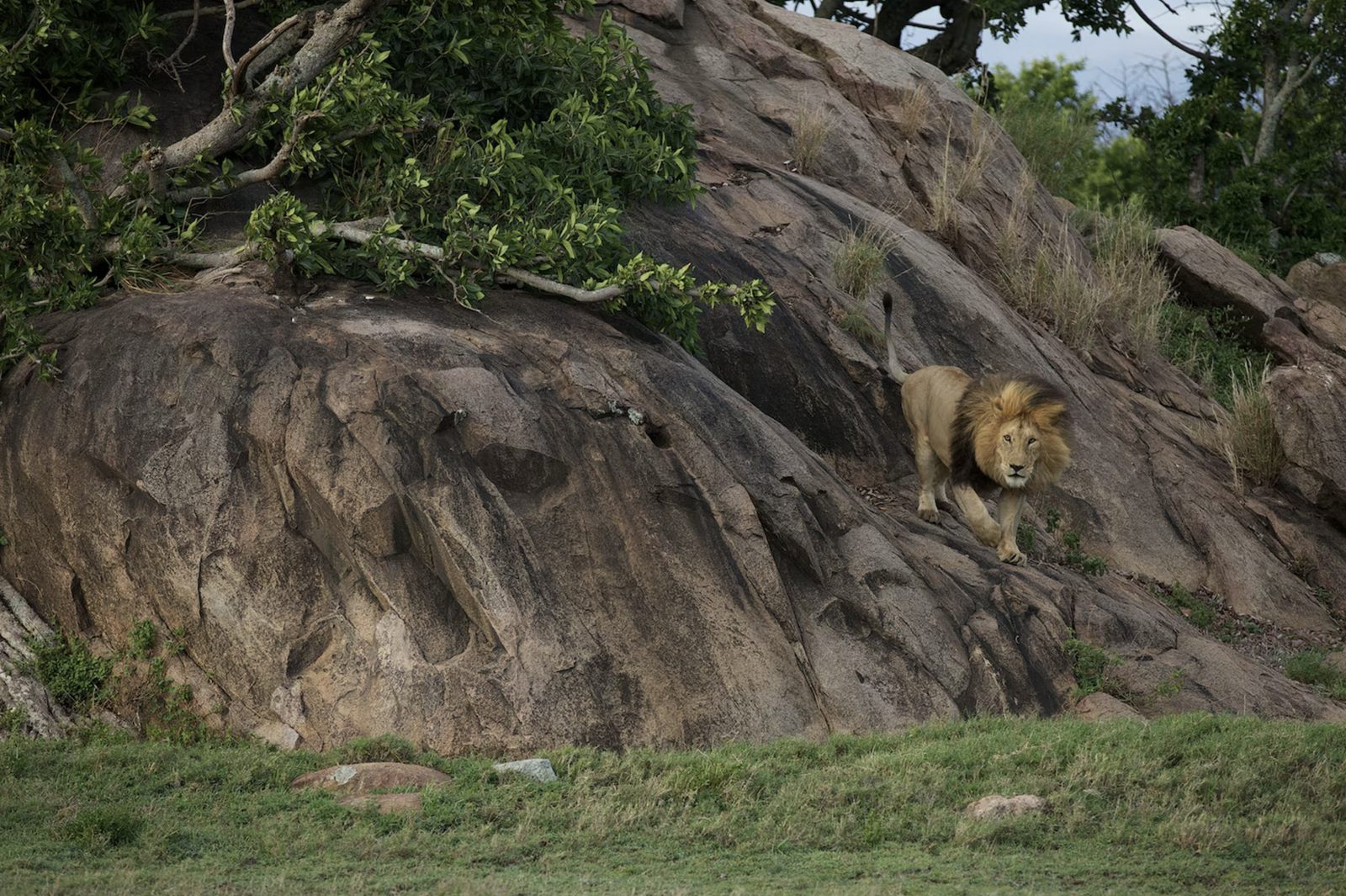
C-Boy was a dark-maned male lion of Tanzania’s Serengeti National Park and the central figure of National Geographic’s celebrated 2013 story “The Short Happy Life of a Serengeti Lion”, written by David Quammen and photographed by Michael “Nick” Nichols. Guides knew him as Bob, or Bob Marley, and he became the father of two of the Serengeti’s most famous lions, Snyggve (Bob Junior) and Marley.
In August 2009, while he and his coalition partner Hildur were the resident males of the Jua Kali pride, C-Boy was attacked by three males from a group known as the Killers. Ingela Jansson, a field assistant with the Serengeti Lion Project, watched the fight and believed he would not survive. He did: he recovered from the attack and from infected wounds, left Jua Kali, and moved east with Hildur to take over the Vumbi pride at the Zebra Kopjes and the Simba East pride.
C-Boy was found dead of natural causes by a tour driver in early June 2018, at about 14 years old. According to photographer Daniel Rosengren, that age was close to the record for a male lion in the entire history of the Serengeti Lion Project. National Geographic described him as everything an African lion should be.
Given by Ingela Jansson, a Swedish field assistant with the Serengeti Lion Project. The meaning of the letter C has not been documented.
After the reggae singer Bob Marley, because of his dark, dreadlock-like mane. His son Snyggve became known as Bob Junior after him.
Born in Serengeti National Park, Tanzania.
Resident male, with Hildur, of the small Jua Kali pride where the Seronera river begins.
Attacked by three males of the coalition known as the Killers. He survived the fight and his infected wounds, but lost the Jua Kali pride.
Moved east with Hildur and took over the larger Vumbi pride at the Zebra Kopjes, along with the Simba East pride.
His sons Bob Junior (Snyggve) and Marley (Tryggve) were born.
Followed by photographer Nick Nichols and writer David Quammen for National Geographic.
The Killers moved through his territory and he went missing for three days, but was found alive and well at the Zebra Kopjes on 17 December.
Became the central figure of “The Short Happy Life of a Serengeti Lion” in National Geographic magazine.
Found dead of natural causes at about 14. Hildur was still alive.
Most sources say guides called C-Boy and Hildur Bob and Ziggy. Some fan histories describe Bob and Ziggy as a different pair, with Bob born around 2006 and dying in 2019. The two stories have not been reconciled. In Kenya’s Masai Mara, another pair of males was also known as Bob and Ziggy; they are different lions again.
Because both were dark-maned and both were called Bob, photos of C-Boy are often labelled as Bob Junior online, and the other way round. C-Boy was the father; Snyggve, Bob Junior, was his son.
Most male lions attacked by a coalition of three do not survive. C-Boy survived the Killers, recovered from infection, won new prides and lived to about 14.
National Geographic — David Quammen & Michael Nichols
The story of C-Boy, Hildur, the Vumbi pride and the Killers, with Nichols’ famous infrared night photographs.
National Geographic — David Quammen
Quammen’s tribute to C-Boy after his death, recalling the night the Killers passed through his territory.
National Geographic
Follows the Vumbi pride and the coalition of C-Boy and Hildur on the Namiri Plains.
Where sources disagree, the most widely reported figure is shown, with other reports noted beneath it.